Gender Masculine
Usage English, French, Arthurian Romance
Meaning & History
Probably from the Celtic name Drustan, a diminutive of Drust, which occurs as Drystan in a few Welsh sources. As Tristan, it first appears in 12th-century French tales, probably altered by association with Old French triste "sad". According to the tales Tristan was sent to Ireland by his uncle King Mark of Cornwall in order to fetch Iseult, who was to be the king's bride. On the way back, Tristan and Iseult accidentally drink a potion that makes them fall in love. Later versions of the tale make Tristan one of King Arthur's knights. His tragic story was very popular in the Middle Ages, and the name has occasionally been used since then.
Related Names
Popularity
People think this name is
Images
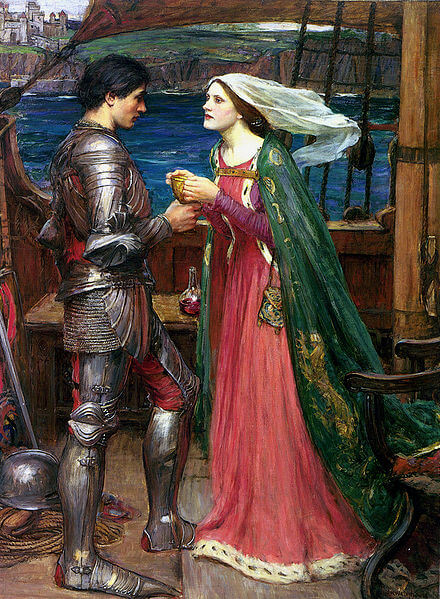 Tristan and Isolde by John William Waterhouse (1916)
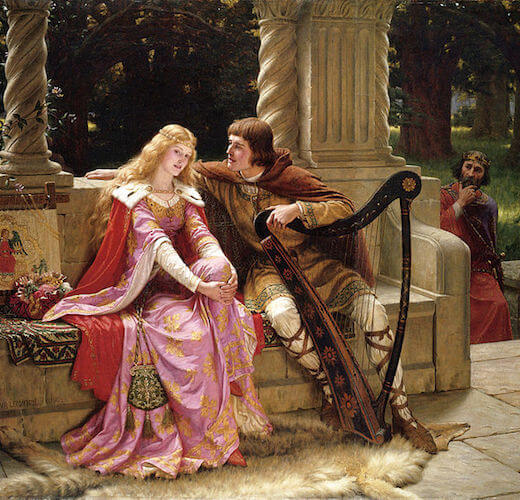 Tristan and Isolde in a painting by Edmund Leighton (1902)
Categories
A Song of Ice and Fire characters, American Horror Story characters, Anne Rice characters, Arthurian legend, ballerinos, celebrity babies, Chocolatier characters, diminutives, emotions, feelings, Fire Emblem characters, legend, LGBT history, love, love island France, love island Quebec, medieval, Most Popular Girls in School characters, NBA players, noise, Ogre Battle characters, One Piece characters, opera, sadness, Shining characters, Star Trek characters, Tamora Pierce characters, teen idols, television, The Midnight Club characters, the School for Good and Evil characters, uncertain etymology, Victor Hugo characters, YouTubers

